
Open-cell foam insulation
A more cost-effective spray foam option for larger spaces where air sealing is important but vapor control is less critical.
Learn more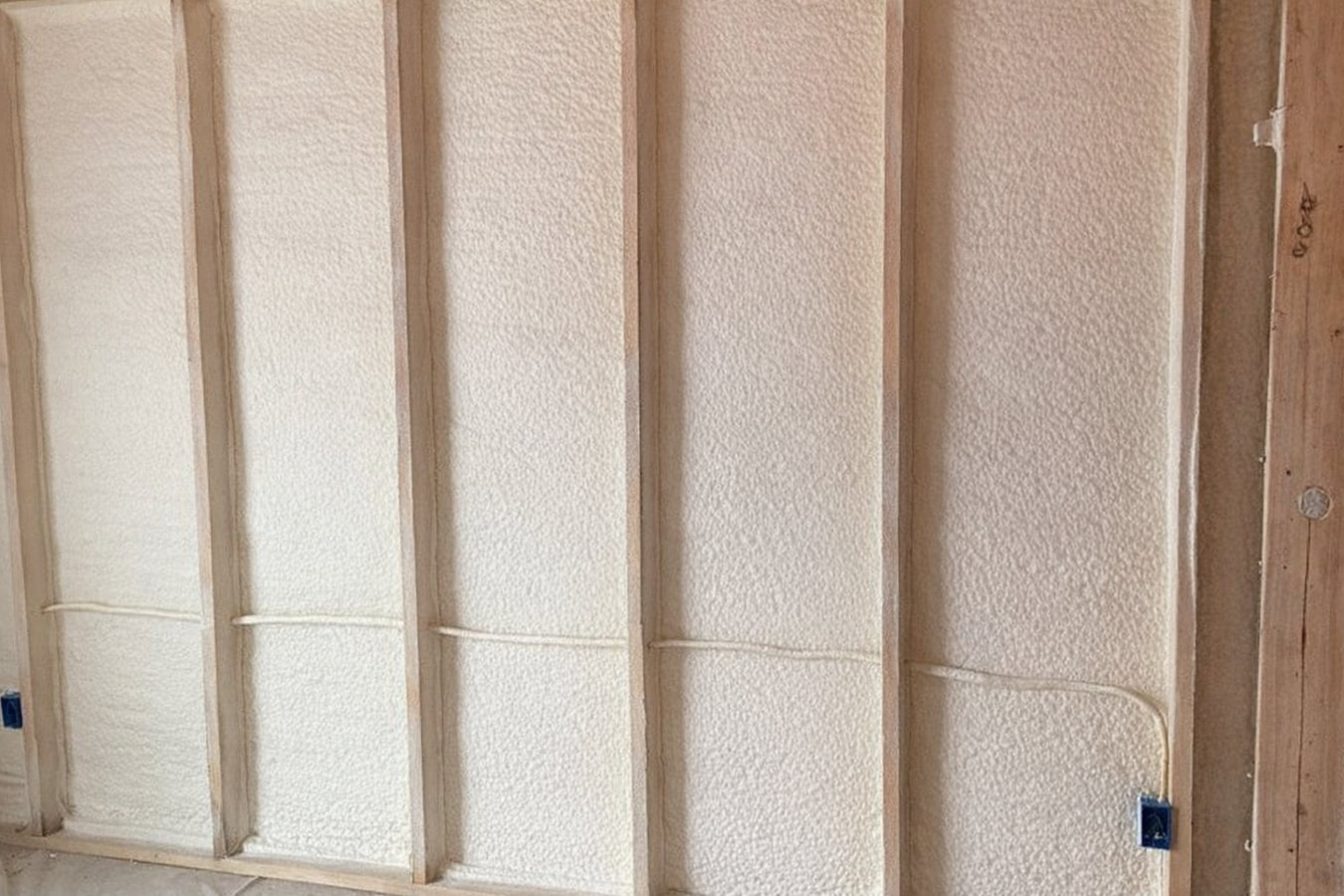
The highest R-value per inch, airtight sealing, and built-in vapor barrier all in a single application - designed for Duluth's extreme cold and Lake Superior moisture.
Closed-cell foam insulation in Duluth delivers the highest insulating value per inch available - typically R-6 to R-7 per inch compared to R-3 to R-4 for fiberglass or open-cell foam - and it hardens into a firm, airtight barrier that blocks both heat loss and moisture movement in a single application.
In Duluth, where average January lows sit around -3 degrees Fahrenheit and the ground freezes 60 inches deep, the ability to seal air and insulate at once is especially valuable. The rim joist at the top of your foundation wall, crawl space walls, and tight attic cavities are all spots where closed-cell foam outperforms other materials - not just in lab tests, but in real-world winter conditions that stretch from October through April.
Many homeowners pair closed-cell foam with open-cell foam insulation in larger spaces where cost per square foot matters more. Closed-cell foam is the premium choice for the areas where performance and moisture resistance are most critical, while spray foam insulation covers the broader category that includes both types.
If your gas or electric bill climbs dramatically every time Duluth hits a stretch of subzero weather, air is escaping through gaps in your insulation or building envelope. You are paying to heat the outdoors. Closed-cell foam seals those escape routes and can bring your bills back down to a level that matches what your furnace is actually doing, not what it is fighting against.
In Duluth's older homes, the rim joist - the strip of wood framing at the very top of your foundation wall - is one of the most common places for cold air to leak in. If you go into your basement on a January day and feel a chill near the top of the walls or along the floor above, that area is likely uninsulated or has degraded insulation that is no longer doing its job. Closed-cell foam is the fastest, most complete way to seal it.
Duluth's cold winters and lake-proximity humidity create conditions where moisture can work its way into wall cavities and condense on cold surfaces. If you see water stains, peeling paint, or frost on interior wall surfaces - especially on exterior-facing walls - your current insulation may not be stopping moisture movement. Left unaddressed, this leads to mold and wood rot inside your walls.
Most Duluth homes built before the 1980s were constructed with insulation standards that would be considered inadequate by today's measures. If you live in a pre-1980 home and have never had an energy audit or insulation upgrade, there is a reasonable chance your rim joists, crawl space, and basement walls are either uninsulated or filled with degraded material. A contractor can inspect those areas and tell you exactly where the gaps are.
Closed-cell foam works best in specific, high-priority areas - rim joists, crawl space walls, basement foundation walls, tight attic cavities, and anywhere moisture or air sealing is critical. We spray it in layers, typically one inch at a time, and it expands and hardens within seconds to form a firm, continuous barrier. The material does not sag, settle, or absorb water over time - it stays in place and performs at the same level for decades.
Homeowners often combine closed-cell foam in the tightest, most vulnerable spaces with open-cell foam in larger, less moisture-prone areas to keep costs manageable. If you are deciding between the two, we can walk you through where each type makes the most sense - a good contractor will not push the most expensive product everywhere, they will match the material to the conditions.
The single highest-impact spot in most Duluth homes - seals the junction between your foundation and your floor system.
Ideal for below-grade spaces where moisture and cold ground contact create real risk year-round.
Fits tight cavities where you cannot pile on thick layers and need maximum R-value per inch.
Duluth ranks among the coldest cities in the continental United States, with average winter lows around -3 degrees Fahrenheit and a frost depth that can reach 60 inches below grade. The federal government classifies Duluth as Climate Zone 7 - a designation that applies to only a handful of U.S. cities outside Alaska. In that kind of cold, even a small gap in your insulation or a drafty rim joist can cost hundreds of dollars in extra heating over a single winter. Closed-cell foam's ability to seal air and insulate at the same time is not just a nice-to-have here - it is a practical necessity for keeping heating bills manageable and homes comfortable. Minnesota's energy code reflects this reality, setting some of the most demanding insulation requirements in the country for new construction and major renovations.
Duluth's proximity to Lake Superior also adds a moisture dimension that inland Minnesota cities do not face. The lake keeps the air more humid than areas to the west, and in a cold climate, warm indoor air can push moisture into wall cavities where it condenses and causes mold or rot - a problem called interstitial condensation. Closed-cell foam acts as a vapor retarder, slowing that moisture movement and protecting your walls from the inside out. Homeowners in Superior and Cloquet face the same severe climate demands and older housing conditions as Duluth proper - and they account for a meaningful share of the closed-cell projects we complete each year.
We respond within one business day. We ask basic questions - which spaces you want insulated, how old the home is, any concerns with drafts or moisture - so the estimator shows up prepared. Most Duluth contractors are busiest from late spring through early fall, so reaching out early gives you better scheduling options.
We measure the square footage, check the condition of existing insulation, and look for moisture or structural issues that should be addressed first. You get a written estimate that breaks down cost by area so you can see exactly what you are paying for. If a permit is required, we handle that process.
Before the crew arrives, you clear the work areas of stored items. Everyone in the home - including pets - needs to leave before spraying begins, and you should plan to stay away for at least 24 hours after the work is done. The actual spraying is fast; most residential jobs are completed in a single day.
Your contractor gives you a specific time when it is safe to return - typically 24 hours after the last spray. When you come back, open windows briefly to air out any residual smell. We walk you through the finished work and provide documentation for rebates and tax credits - keep it for when you file.
No obligation, no sales pitch - just a clear written quote and honest advice about where foam makes sense for your home.
(218) 514-1692We recommend coverage levels based on Climate Zone 7 requirements - the designation that applies to Duluth and reflects the reality of six-month heating seasons and frost depths that hit five feet. Homes here need more than the minimum, and we spec accordingly. That means higher insulating values where cold is most intense - rim joists, below-grade walls, and tight attic cavities.
Duluth's proximity to Lake Superior makes basement and crawl space moisture a real and common issue. We check for signs of water intrusion before recommending a material - because insulating over a damp wall creates mold problems that cost far more to fix than the insulation saved. A contractor who skips this step is cutting corners.
We have worked on pre-war stone foundations in Congdon Park, post-war block basements near the university, and newer poured-concrete homes out by Miller Hill. Each type has its quirks, and we have seen all of them. That experience means fewer surprises and a better result - we know what to expect when we walk into an older Duluth home.
Minnesota Power offers rebates for qualifying insulation projects, and federal tax credits are currently available for energy efficiency upgrades. We provide the documentation you need to apply for both - so you keep every dollar you are entitled to without extra paperwork hassle. That can make a real difference in your net project cost.
Every home is different, and we treat it that way. From the first walkthrough to the final documentation, you will know exactly what was done and why - no guesswork, no vague estimates.
A more cost-effective spray foam option for larger spaces where air sealing is important but vapor control is less critical.
Learn moreThe broader category that includes both closed-cell and open-cell foam - we help you choose the right type for each space.
Learn moreContractor schedules fill fast once the season opens - lock in your spot before the spring rush and have the work done by summer.