
Closed-cell foam insulation
The highest-performing insulation option for rim joists and basement walls - seals air and moisture at the same time in a single application.
Learn more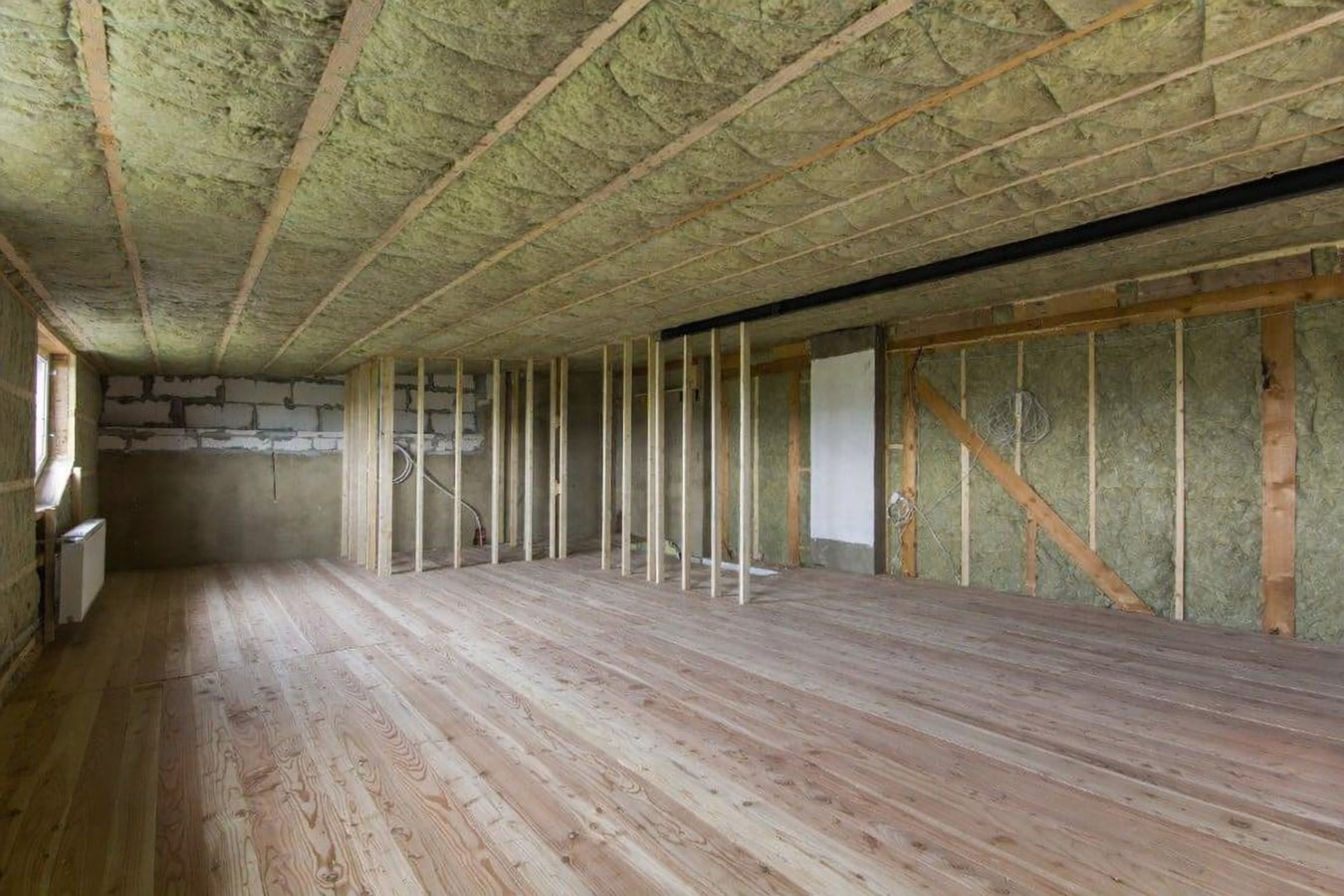
Cold floors, frozen pipes, and sky-high heating bills all point to the same place - an uninsulated basement. We fix that for Duluth homeowners.
Basement insulation in Duluth creates a thermal barrier between your living space and the cold ground surrounding your foundation - most jobs take one to two days and cover walls, the rim joist, or the ceiling between your basement and first floor, depending on your setup.
If your floors feel cold in January or your heating bill keeps climbing, your basement is likely where the heat is escaping. Duluth sits in one of the coldest climate zones in the lower 48 states, and a foundation with no thermal protection works against your furnace all winter. Fixing it is one of the highest-return improvements you can make to an older Duluth home.
Many homeowners pair basement insulation with crawl space insulation to address every low-level heat loss point at once. Together, these two improvements can make a meaningful difference in comfort and energy costs from the first full winter after the work is done.
If the floors on your first floor feel noticeably cold in winter - especially in rooms directly over an unfinished basement - the ceiling between those spaces likely has little or no insulation. In Duluth, where temperatures stay below freezing for weeks, cold air pools in an uninsulated basement and pulls warmth right out through the floor above. This is one of the most common complaints before homeowners get their basements insulated.
If your gas or electric bill has risen year over year without a change in habits, heat loss through the basement is one of the first places to look. Duluth's six-month heating season means even a modest amount of heat escaping through an uninsulated foundation wall adds up to real money over the winter. A quick check: if your basement feels significantly colder than the rest of the house, heat is leaving through that space.
The area where your foundation wall meets the floor framing - called the rim joist - is a common weak point in older Duluth homes. If you stand in your basement on a cold day and feel a draft near the top of the wall, or if you notice frost forming on the inside of the foundation in very cold weather, that area is almost certainly uninsulated or has gaps. It is one of the most important spots to address.
Duluth winters are cold enough that pipes running along exterior basement walls can freeze if there is no insulation protecting them. If you have had a pipe freeze - or a plumber has warned you it is a risk - adding insulation to those walls is one of the most direct ways to prevent it from happening again. This is especially common in older homes in neighborhoods like Lincoln Park and the West End, where basements tend to be less finished.
We cover every part of the basement that loses heat. The rim joist - the framing at the very top of your foundation wall - is where cold air enters most aggressively, and it is the first place we address. For finished and unfinished basements alike, we insulate the walls using the material that fits the space: closed-cell spray foam where moisture and air sealing matter most, rigid foam board where budget is a priority, and fiberglass batts between ceiling joists when the goal is keeping the first floor warm without conditioning the basement itself.
If your home has a crawl space that connects to the basement, we can handle both in the same visit. Pairing basement work with our closed-cell foam insulation gives you the strongest air and moisture barrier available - especially important in a climate where the ground freezes to nearly five feet deep.
Best for any Duluth home - the rim joist is almost always the fastest payback spot in the basement.
Suits homes with unfinished basements where the goal is keeping the whole lower level warmer.
Fits homes where the basement will stay unheated and the focus is warm floors on the level above.
Duluth sits in Climate Zone 7 - one of the harshest designations in the continental United States. Average January lows hover around -3 degrees Fahrenheit, and the frost depth can reach 60 inches below grade in a hard winter. That means the bottom of your home is surrounded by frozen earth for months at a time, and any heat escaping through your foundation walls goes directly into that cold mass. Federal energy guidelines recommend significantly higher insulation levels for this zone than for most of the country, and many local homes - especially those built before 1960 in neighborhoods like Congdon Park and the East Hillside - fall well short of that standard. Homes in those areas often have stone or rubble foundations with uneven surfaces, which means more prep time and sometimes more material to fill gaps correctly.
Duluth's location on Lake Superior also adds a moisture dimension that inland Minnesota cities do not face. The lake keeps the air more humid than areas to the west, and basement humidity can spike in spring and fall. Trapping that moisture behind the wrong type of insulation leads to mold and rot inside your walls - a problem that is expensive to fix and easy to miss. Homeowners in Proctor and Hermantown face the same climate demands and older housing conditions as Duluth proper - and they account for a meaningful share of the basement projects we complete each year.
We respond within one business day. We ask a few basic questions - basement size, finished or unfinished, any past moisture issues - so the estimator arrives prepared with the right materials in mind.
We walk through your basement, check the rim joist, walls, and ceiling, and look for moisture or air-sealing issues that need to come first. You get a written estimate that breaks down exactly what will be done and what it will cost - no surprises.
You clear stored items away from the walls before the crew arrives. Most jobs finish in one day. If we are using spray foam, we ask you to ventilate the space and stay out of the basement for a few hours after application while it cures.
Before we leave, we walk you through the finished work. We also provide documentation for Minnesota Power rebates and federal tax credits - keep that paperwork, you will need it when you file.
No obligation, no pressure - just a written quote and honest advice about what your basement actually needs.
(218) 514-1692We size every basement project for Duluth's actual winter, not a national average. That means higher-performing materials in the rim joist and on ground-contact walls, where the cold is most intense. Homes here need more than the minimum, and we spec accordingly.
Duluth's proximity to Lake Superior makes basement moisture a real and common issue. We check for water intrusion signs before recommending a material - because insulating over a damp wall creates mold problems that cost far more to fix than the insulation saved.
We have worked on pre-war stone foundations in Congdon Park, post-war block basements near the university, and newer poured-concrete homes out by Miller Hill. Each type has its quirks, and we have seen all of them. That experience means fewer surprises and a better result.
Minnesota Power offers rebates for qualifying insulation projects, and federal tax credits are currently available for energy efficiency upgrades. We provide the documentation you need to apply for both - so you keep every dollar you are entitled to without extra paperwork hassle.
Every basement is different, and we treat it that way. From the first walkthrough to the final documentation, you will know exactly what was done and why - no guesswork, no vague estimates.
The highest-performing insulation option for rim joists and basement walls - seals air and moisture at the same time in a single application.
Learn moreProtect the floor system beneath your living space from Duluth's cold and moisture with proper crawl space insulation.
Learn moreDuluth's heating season starts in October - book your estimate now and have the work done before the cold sets in.