
Basement Insulation
The rim joist and sill plate area is one of the biggest sources of air leakage in older Duluth homes - basement insulation addresses it directly.
Learn more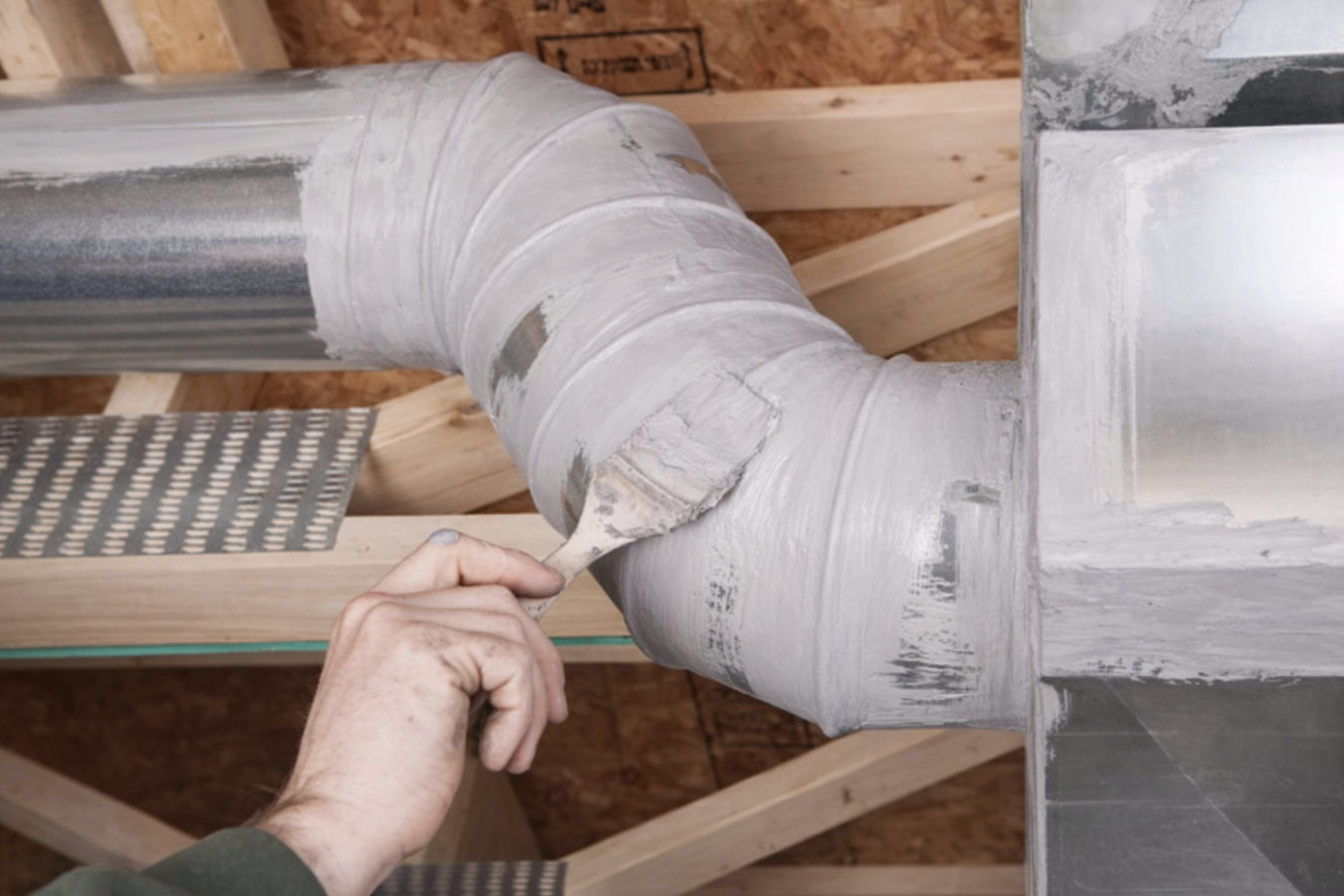
Hidden gaps in your attic and basement are costing you money every month from October through April. Professional air sealing closes those leaks for good, so your furnace runs less and your home finally stays warm.
Air sealing services in Duluth, MN find and close the hidden gaps where outside air sneaks into your home and heated air leaks out - the biggest sources are usually in the attic and basement, not around windows and doors. Most jobs on a single-family home are complete in one day, and the results last for the life of the structure.
Insulation slows heat from moving through your walls and ceilings, but it cannot stop air from flowing through gaps. Air sealing and insulation work as a team, and most energy experts consider air sealing the higher-return investment of the two. A large share of Duluth's homes were built before modern building practices, and those homes have gaps that have been accumulating for decades - around pipe penetrations, chimney chases, the attic hatch, and the rim joist in the basement. If you have ice dams on your roof in winter, drafts across your floors, or heating bills that never seem to come down, those gaps are likely a major reason.
Air sealing is especially effective when combined with insulation in the same visit. Our basement insulation and attic air sealing services address both the sealing and the insulation in the same visit so nothing gets missed. The ENERGY STAR seal and insulate program outlines why the two steps together deliver results that neither alone can match.
If your gas or electric bill during a Duluth winter seems out of proportion to what neighbors with similar-sized homes pay, air leaks are one of the most common explanations. A home losing heated air through attic and basement gaps has to run its furnace much longer to maintain the same temperature. You do not need a contractor to notice this - just compare your bills year over year, or ask a neighbor with a similar house.
Drafts near windows are expected. But if you feel cold air moving across the floor in the middle of a room, or notice a chill near an interior wall, cold air is traveling through structural gaps and finding its way into your living space. In Duluth's winters, this kind of draft is not just uncomfortable - it means your furnace is fighting a losing battle every single day of the heating season.
Ice dams are a classic sign that warm air is escaping through your attic and melting snow unevenly. That meltwater runs down to the cold eaves and refreezes. Duluth homeowners see this regularly, and while it looks like a roofing problem, it almost always points to air leaks in the attic. Left unaddressed, ice dams can force water up under shingles and damage your ceilings and walls.
When warm indoor air escapes into a cold attic through gaps, it condenses on cold surfaces - sometimes forming frost on rafters during Duluth's deep winters. A persistent musty smell in your basement can mean air is moving through your home's structure in ways it should not. Both are signs that sealing those gaps would stop the moisture problem at its source.
We start most jobs with a blower door test - a simple diagnostic that measures your home's actual air leakage rate and pinpoints exactly where the biggest gaps are. From there, crews work in the attic and basement sealing penetrations around pipes, wires, light fixtures, chimney chases, and interior wall tops with foam and caulk. These are the areas that account for the majority of air loss in most homes, and they are spaces you rarely see - which is exactly why they have gone unaddressed for years.
We also handle wall-level sealing around outlets and pipe penetrations as part of our attic air sealing and basement insulation projects. Every job ends with a second blower door test so you have documented proof the work actually reduced your home's air leakage - not just a contractor's word for it. The U.S. Department of Energy explains how blower door testing works and why it matters for getting an honest result.
Closing gaps around light fixtures, plumbing pipes, the attic hatch, and interior wall tops - where most of a home's heat actually escapes.
Sealing the rim joist, sill plate, and penetrations in the basement - the second-largest source of air leakage in most older Duluth homes.
Before-and-after testing that measures your home's actual air leakage rate - so you know the job worked, not just that foam was applied.
Sealing gaps around outlets, pipes, and where walls meet floors and ceilings on exterior walls - done alongside wall insulation work.
Duluth consistently ranks among the coldest cities in the lower 48 states, with average January temperatures around 8 degrees and a heating season that stretches from October through April. The colder the outdoor temperature, the harder hidden air leaks work against you - every gap in your home's envelope is pulling heated air out and drawing frigid air in every hour of every winter day. On top of that, Duluth's position on the western tip of Lake Superior creates persistent wind and humidity patterns that push air through gaps more aggressively than in calmer inland climates. The return on air sealing is simply higher here than it would be in a milder city.
We serve homeowners throughout the Duluth metro area and understand the specific challenges of the local housing stock. Superior, WI homeowners across the bay deal with the same lake-driven conditions and a similar share of older homes that have never had professional air sealing done. In Cloquet, we regularly find pre-1970 homes with attic gaps that have been leaking since the house was built. The work is the same - but so is the reward when it is done right.
We respond within 1 business day to schedule your free estimate. Describe what you have noticed - high bills, drafts, ice dams - and we will take it from there.
We walk through your attic, basement, and crawl spaces to identify where air is escaping. Many jobs include a blower door test to pinpoint leaks precisely before quoting a price.
You receive a clear written quote covering where we will work and what the total cost will be. We flag any Xcel Energy rebates or federal tax credits that apply before you decide.
The crew seals gaps with foam and caulk in your attic and basement - most single-family homes are done in one day. A post-work blower door test confirms the leakage rate actually dropped, and we walk you through the rebate paperwork.
Free estimate, no obligation. We respond within 1 business day and guide you through Xcel Energy rebates before you decide.
(218) 514-1692We work throughout Duluth, Superior, Cloquet, Proctor, and 8 other cities in the area. Local crews understand the older housing stock, the lake-driven weather patterns, and the utility rebate programs specific to this region.
We run a blower door test before we start and again after the work is done. You receive a simple report showing exactly how much your home's air leakage dropped - so you are not taking our word for it.
Xcel Energy offers rebates through its Home Energy Squad program for qualifying air sealing work. We handle the documentation and walk you through exactly what you need to submit so you do not leave money on the table. Building Performance Institute standards inform how we approach testing and documentation on every job.
Homes built before the 1960s in this area have gaps that have been accumulating for decades. We work in these homes regularly and know the specific problem areas - attic bypasses, chimney chases, and basement rim joists - that drive the biggest leaks.
Air sealing is one of those improvements that is hard to see but impossible to miss once it is done - fewer drafts, lower bills, and a home that holds heat through the worst of a Duluth winter. We do this work every week in this region and stand behind the results with documented before-and-after numbers.
The rim joist and sill plate area is one of the biggest sources of air leakage in older Duluth homes - basement insulation addresses it directly.
Learn moreFocused air sealing at the attic level - closing gaps around fixtures, pipes, and the attic hatch to stop the stack effect that drives ice dams.
Learn moreWinter is coming - the sooner your home is sealed, the sooner your heating bills drop. Slots fill quickly in September and October.